A digital library is an online collection of digital resources—such as books, articles, images, audio, and video—that can be accessed and used electronically through the internet, anywhere and anytime. It serves as a virtual repository that organizes, stores, and provides efficient access to a wide variety of knowledge and information in digital formats, eliminating physical and geographical barriers for users.
This article presents the field of knowledge organization (KO) and its core perspectives: knowledge organization processes (KOPs) and knowledge organization systems (KOS). In provides a brief overview of research traditions, approaches and basic theoretical issues in the field (practicalist and intuitivist approaches, consensus-based approaches, facet-analytic approaches, user-based and cognitive approaches, domain- analytic/epistemological approaches, bibliometric approaches, and IR approaches, among others). The article also briefly presents KO on different technological platforms (physical libraries, archives, museums, classical bibliographical databases and the Internet). The article argues that KO as a part of library and information science can be considered a narrow sense, but that the broader sense of KO is needed to provide the necessary knowledge for the narrow sense.
Library science (often termed library studies or library and information science) is an interdisciplinary or multidisciplinary field that applies the practices, perspectives, and tools of management, information technology, education, and other areas to libraries; the collection, organization, preservation, and dissemination of information resources; and the political economy of information.
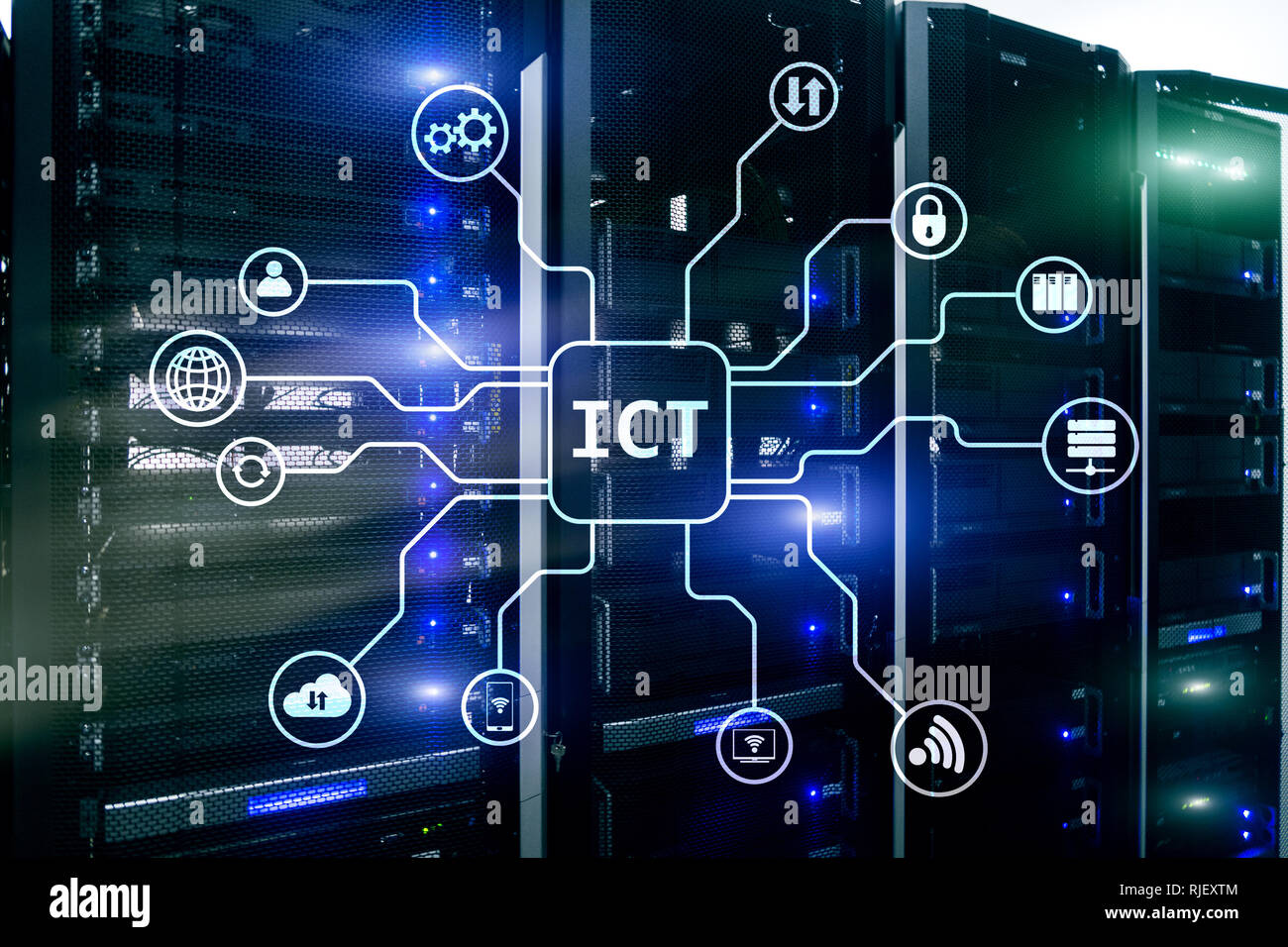
Information and Communication Technology (ICT) encompasses the technologies used to handle communication, process information, and store, retrieve, and transmit data, playing a crucial role in modern society.
media literacy, use of critical thinking to parse or create mass media, especially as a consumer in an age of online misinformation and disinformation. The term media literacy is drawn from an analogy with reading literacy: just as the latter refers to an ability to read, write, and understand words and phrases, the former refers to an ability to analyze, evaluate, and produce various kinds of media. Media literacy is often used interchangeably with media education, which refers to the creation, primarily by teachers, of the necessary conditions for developing media literacy.